ome say card variants and weapon skins have more in common than they seem. Why do discussions about these cosmetic items spark so much debate between collectors in 2026? Both Marvel Snap and CS2 fans spend real money and time but often disagree about what makes the effort worthwhile. Over the last three years, variant prices have surged, making the debate even louder. This article looks at how these collection systems function, what Marvel Snap and CS2 users can learn from each other, where their experiences intersect, and how their approaches still differ.
Why Card Variants and Weapon Skins Feel So Similar
A sense of rarity draws people to collectibles. For Marvel Snap, this starts with Reserves and Spotlight Caches; in CS2, it’s all about the thrill of unopened cases. A single Spotlight Cache yields an Ultra Rare Variant roughly 1 in every 30 times by 2026. Players regularly spend 600–1200 Gold or the equivalent currency for each Epic item. Both systems trigger delayed dopamine, not from gameplay but from anticipation.
Marvel Snap players chase Spotlight Variants. That dopamine spike when a rare variant drops in a Cache feels unique. Many say that opening cs2 gives almost the same rush. No Marvel branding needed, just a shot at a top-tier cosmetic in CS2 cases. The same feedback loop keeps both games fresh for collectors.
Memory ties everything together. Get 1 unique drop from 20 or more attempts, and you remember the moment. It’s not just about using the skin or card in matches; it’s about owning something statistically rare, sometimes valued at two or three times the norm in June 2026. Recent figures show 17% of CS2 and Snap collectors open for resale, but 41% focus purely on building their own galleries. Where Snap relies on random drops and time-limited events, CS2 leans on the marketplace—with both systems making collection more personal by 2026.
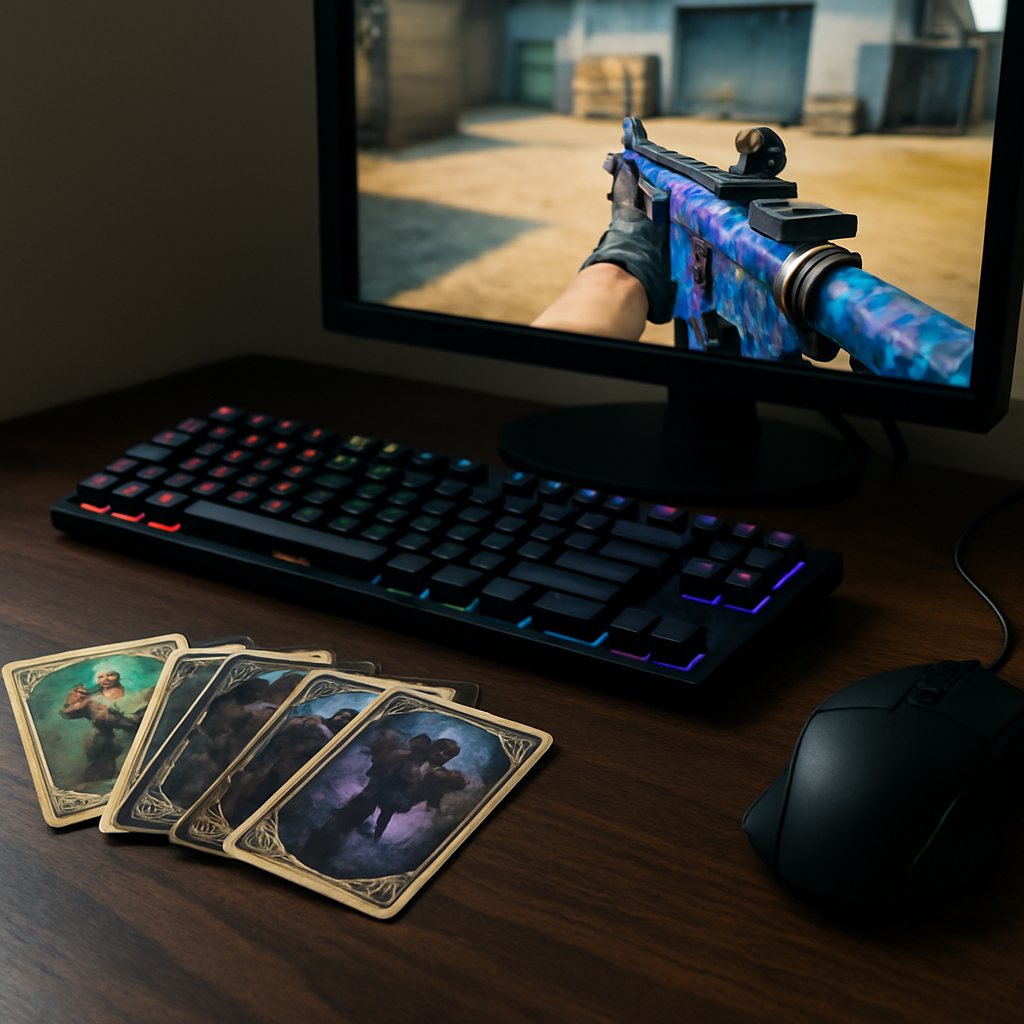
The Real Economics: Prices, Drop Rates and FOMO
What sets prices for a rare skin or card? In CS2, skin values shift every week as sales move on the Steam marketplace; meanwhile, Marvel Snap uses Gold, Credits, and season-limited Bundles. Official drop rates tie directly to rarity—Spotlight Variants hit a 3.4% pull chance in June 2026. Both systems introduce new items with explicit time limits, leveraging FOMO through event pop-ups and end-of-season warnings.
Some collectors hold, others trade or speculate. Only 38% of Snap participants sell or swap variants, while 62% pursue full sets. As for drop progression, reaching a Super Rare Reserve in Snap takes between 12 and 20 hours’ play without paid boosts. Game design leads from both titles—such as Michael McCain from Second Dinner and employees at Valve—publicly point to ‘scarcity windows’ and seasonal rotation as main market drivers. Analysts on the Snap stats portal track variant pricing trends, showing that event-linked releases can double in value compared to evergreen drops. These shifting cycles push some collectors to wait for sales, but others buy immediately, especially when a favorite variant appears briefly.
Collecting or Trading: What Really Motivates Players?
Different motivations push Snap and CS2 collectors. Some try to show off rare variants—gallery displays in Snap or profile badges in CS2 grew in popularity during 2026. Others chase perceived value, buying and selling skins when prices spike. Two player examples help map the field. The first focuses on completion, using auto-opening tools and tracking new entries—78% of top Snap collectors, and 49% in CS2, automate their pulls. The second group only gets involved in market activity, searching for arbitrage opportunities and trading limited items.
Social functions shape behavior more than pull mechanics. Marvel Snap’s official gallery launched in spring 2026, rewarding large collections with social ranking. In CS2, cosmetics now show up more often in spectator modes and tournament broadcasts, driving demand for unique displays. Close to 40% of Snap collectors say their goal is filling a personal gallery, even if they never use the item in-game. Industry panelists on the 2025 Collector’s Symposium attributed this shift to two trends: public leaderboards for collections, and short-term FOMO events that push temporary exclusivity.
The Side Effects: Burnout, Regret and Collection Fatigue
Too many variants, and opening fatigue sets in. Snap players—about 35%, according to spring 2026 surveys—feel exhausted by the non-stop Cache cycle before season’s end. In CS2, heavy collectors use nightly auto-open services to keep up with event drops. Average tenure declines fast: three or more hours a day on openings leads to a 30-day ‘burnout exit’ in collection activity.
So what neutral strategies exist? Collectors report using time limits, skipping minor events, or disabling push reminders. Marvel Snap’s Tracker app introduced weekly spending notifications in May 2026, while CS2’s leading opening service encouraged pause periods after marathon sessions. These tools do not promise a ‘healthier’ experience but introduce more awareness about habits, aiming to keep collection sustainable.